Rose Wing: A Playful and Fanciful Embroidery Design
As an experienced designer, I'm always on the lookout for embroidery designs that can add a unique touch to my projects. The Rose Wing design caught my eye with its whimsical and elegant vibe. Let's dive into how this design performs in real-life embroidery situations and where it might fit best.
First Impressions: Elegance Meets Whimsy
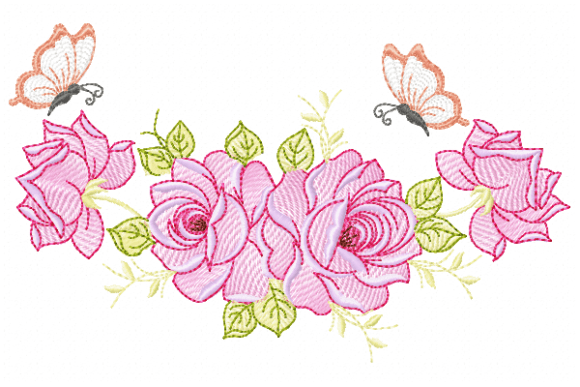
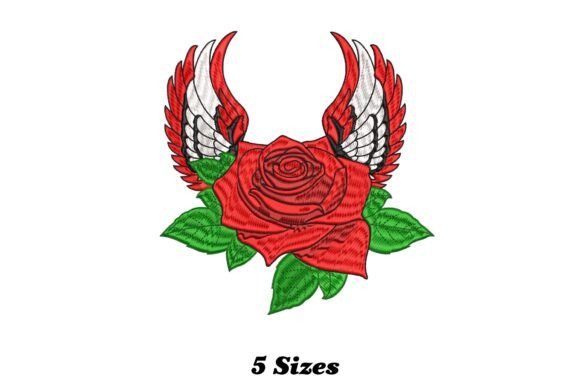
The Rose Wing design exudes a playful yet sophisticated charm. The combination of a delicate rose and flowing wings creates a visual that is both fanciful and graceful. The layout is well-balanced, making it suitable for a variety of embroidery projects. The level of detail is just right—not too intricate, but still eye-catching. This design would be perfect for adding a touch of elegance to custom apparel, home decor, or personalized gifts.
Real-Life Embroidery Projects: Where Rose Wing Shines
- Custom Apparel: Stitched onto a t-shirt or sweatshirt, Rose Wing can transform a simple garment into a statement piece. It's especially appealing for boutique-style clothing lines or as a special addition to a client's wardrobe.
- Tote Bag Design: Adding Rose Wing to a tote bag can elevate it from a basic carrier to a stylish accessory. The design's size and shape make it ideal for the front or back of the bag, creating a balanced and visually appealing look.
- Baby Embroidery: For baby clothes and nursery decor, Rose Wing offers a gentle and sweet touch. Whether it's a onesie, a blanket, or a pillow cover, this design adds a soft, dreamlike quality that parents and gift-givers will adore.
- Holiday Embroidery: During the holiday season, Rose Wing can be a versatile choice for embroidered gifts. From tea towels to aprons, this design brings a festive and magical feel to any item.
Where to Use Rose Wing Carefully
While Rose Wing is versatile, there are some areas where you should use it with caution:
- Small Hoop Sizes: The design's details might get lost in very small hoop sizes. Test it on scrap fabric to ensure clarity before using it in a small project.
- Textured Fabrics: The intricate details of Rose Wing may not show up well on highly textured fabrics. Smooth, even surfaces work best to showcase the design's beauty.
- Stretchy Fabric: Be cautious when embroidering Rose Wing on stretchy materials like knits. Use a stabilizer to prevent distortion and ensure the design retains its shape.
- Dark Fabric: On dark backgrounds, the design's colors and details might not stand out as much. Consider using high-contrast thread colors to make the design pop. Curved Surfaces: When embroidering on curved surfaces like caps, the design's symmetry and balance might be affected. Test it on a similar surface to ensure it looks good and fits well.
Enhancing Visual Appeal and Product Value
The Rose Wing design has the potential to significantly enhance the visual appeal and value of your handmade products. Here’s how:
- Stitch Clarity and Density: The design's stitch density is well-balanced, providing a clean and professional look. Review the stitch density to ensure it meets your standards for both personal and commercial projects.
- Thread Color Contrast: Choose thread colors that complement the fabric and highlight the design's details. High-contrast colors can make the design stand out, while harmonious colors can create a more subtle, elegant effect.
- Proper Stabilizer Use: Using the right stabilizer is crucial for maintaining the design's integrity, especially on thin or stretchy fabrics. Test different stabilizers to find the one that works best for your project.
- Mockups and Previews: Before finalizing your project, create black and white mockups and test the design on light and dark fabric backgrounds. This step helps you visualize how the design will look in different settings and ensures customer satisfaction.
Practical Designer Notes for Rose Wing
- Test on Scrap Fabric: Always start by testing the design on a scrap piece of fabric. This helps you identify any issues with stitch density, color contrast, or overall appearance.
- Check Thread Colors: Experiment with different thread colors to find the best match for your project. High-contrast colors can make the design more striking, while subtle colors can create a more refined look.
- Review Stitch Density: Ensure the stitch density is appropriate for your project. Dense stitching can add texture and depth, but too much can make the fabric stiff and unappealing.
- Confirm Hoop Size: Make sure the design fits within the hoop size you plan to use. Adjust the design size if necessary to avoid any issues with alignment and clarity.
- Inspect Small Details: Pay close attention to the small details of the design, such as the edges of the wings and the petals of the rose. These details can make or break the overall look of the finished product.
- Test in Black and White: Create a black and white mockup to see how the design looks without color. This can help you identify any areas that need adjustment and ensure the design is visually balanced.
- Compare Light and Dark Backgrounds: Test the design on both light and dark fabric backgrounds to see how it appears in different contexts. This step is crucial for ensuring the design is versatile and appealing.
- Use Proper Stabilizer: Select the right stabilizer for your fabric type. This is especially important for stretchy or thin fabrics, where the stabilizer can make a significant difference in the design's appearance and durability.
- Personal and Commercial Use: Confirm that the design is suitable for both personal and commercial projects. If you plan to sell the finished items or digital embroidery files, check the licensing terms to ensure you are compliant.
In conclusion, the Rose Wing embroidery design is a versatile and charming addition to any embroidery project. With careful consideration and testing, it can elevate your handmade products, custom apparel, and personalized gifts to new heights. Happy stitching!